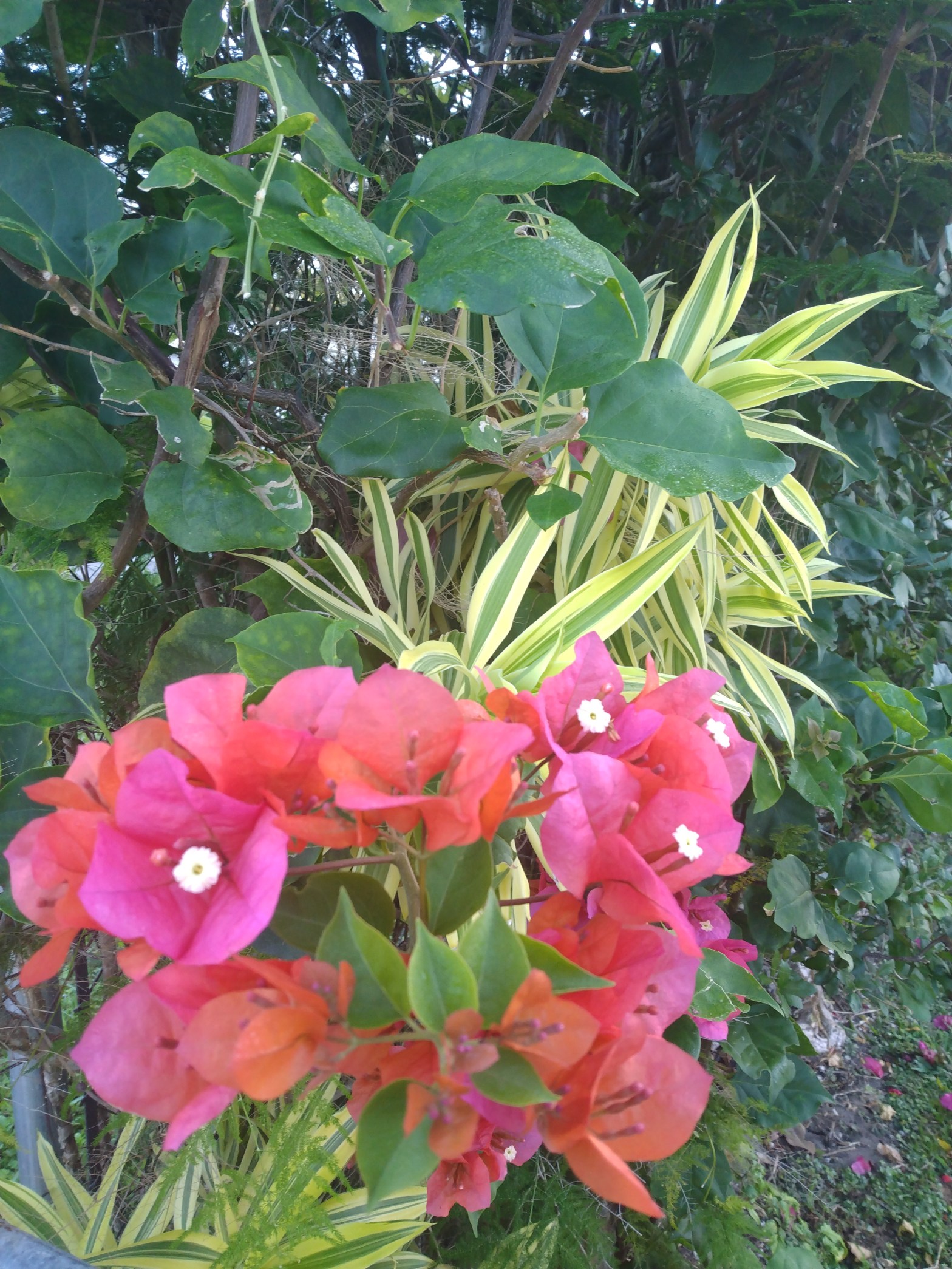
Jōmon pottery was created in Japan by anonymous artists. It made me think about these beautiful pieces whose creators remained nameless, but the place name and the group name endured.
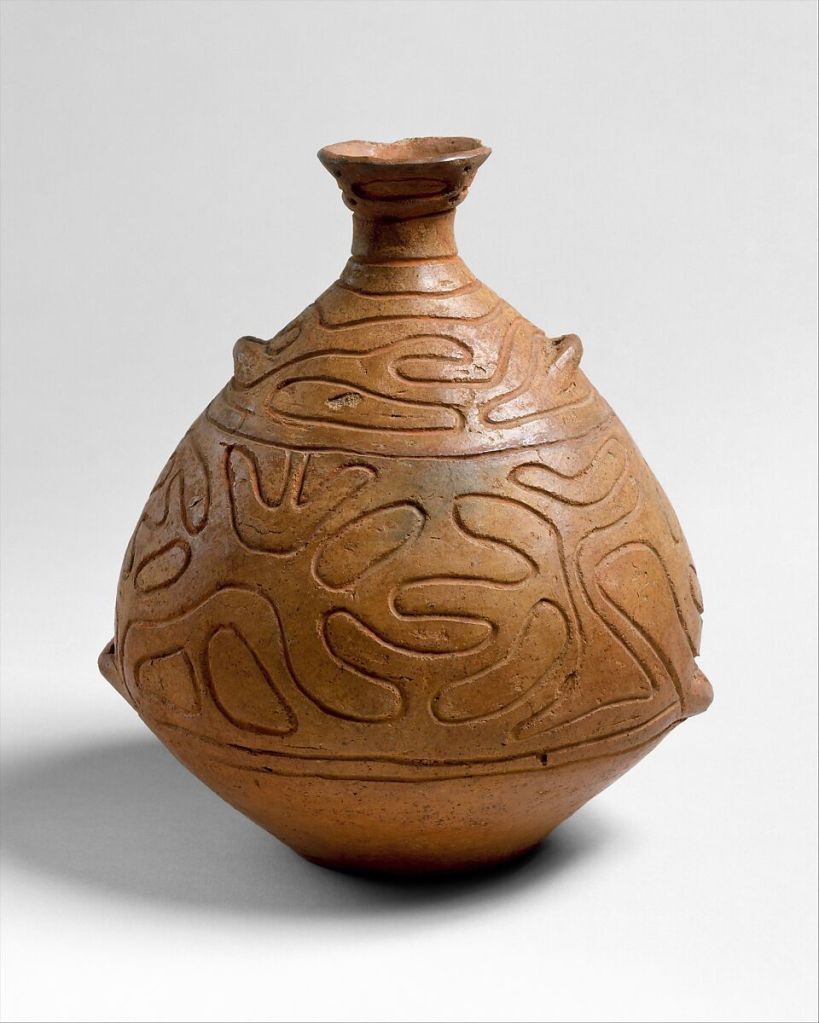
When I was in arts school, I had the privilege of participating in an interdisciplinary project. Even though I was a theater major, I was given the task of creating visual art to represent a literary work. I was paired up with a wondrous artist by the name of Claudia. We made colorful drawings of the fashions of the 1920’s because we were studying the literature of that period. After I finished my paintings, I signed my name on the bottom corner. It then felt finished.
The folks in my company laughed at the pride.
All these years later, it has remained with me. The question of ownership. Do we own what we create and therefore given the grace to sign it? If someone were to buy a painting painted by Picasso but signed by his girlfriend or the person who brought the guitar over, would the price go down?
Right now, given the availability of materials and the ease of making a product compared to those Jōmon products, it is astounding that artists can still devote their time to art. As Instagram videos show how to create interesting pieces out of balloons and rope chains using acrylics and a little applied color theory, the cottage artisans take the place in our communities as those potters did in 17,000 BCE Japan. Yet, they are not nameless. Their handles on Etsy make them recognizable. My husband Gary always questions the durable nature of the paint or material. My cold weather clothes made from the fine wool fetches a bigger price, but I don’t put a tag on it. Somehow, I want it to be theirs, as if the beret is now on its own adventure and part of someone else’s life.
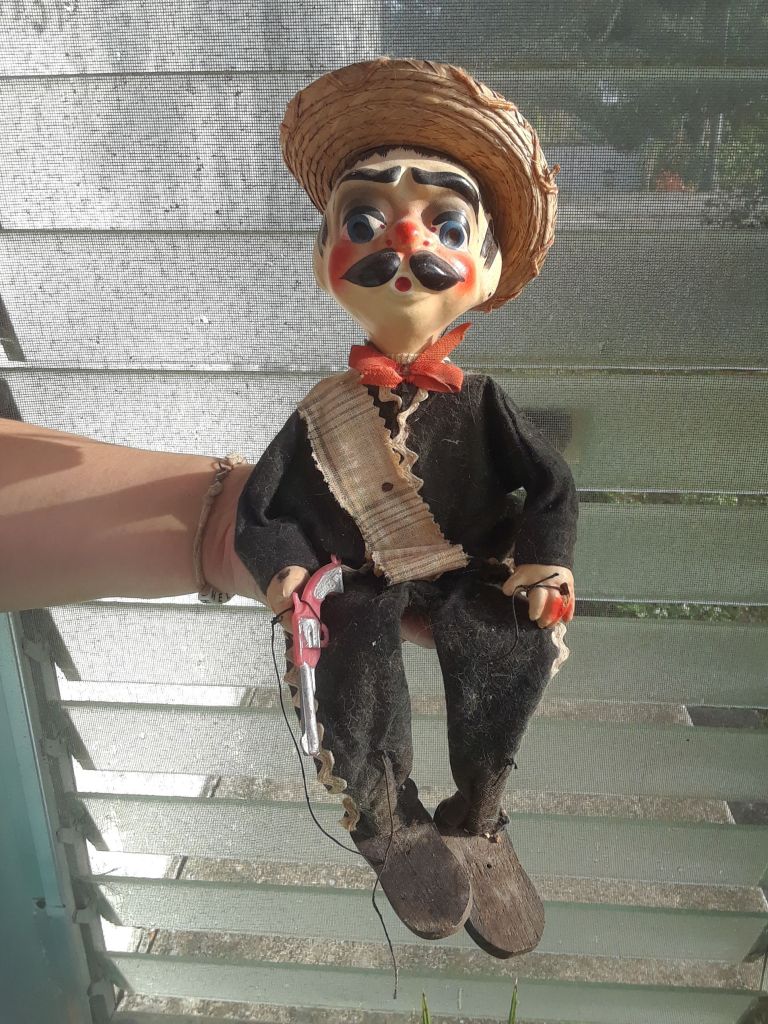
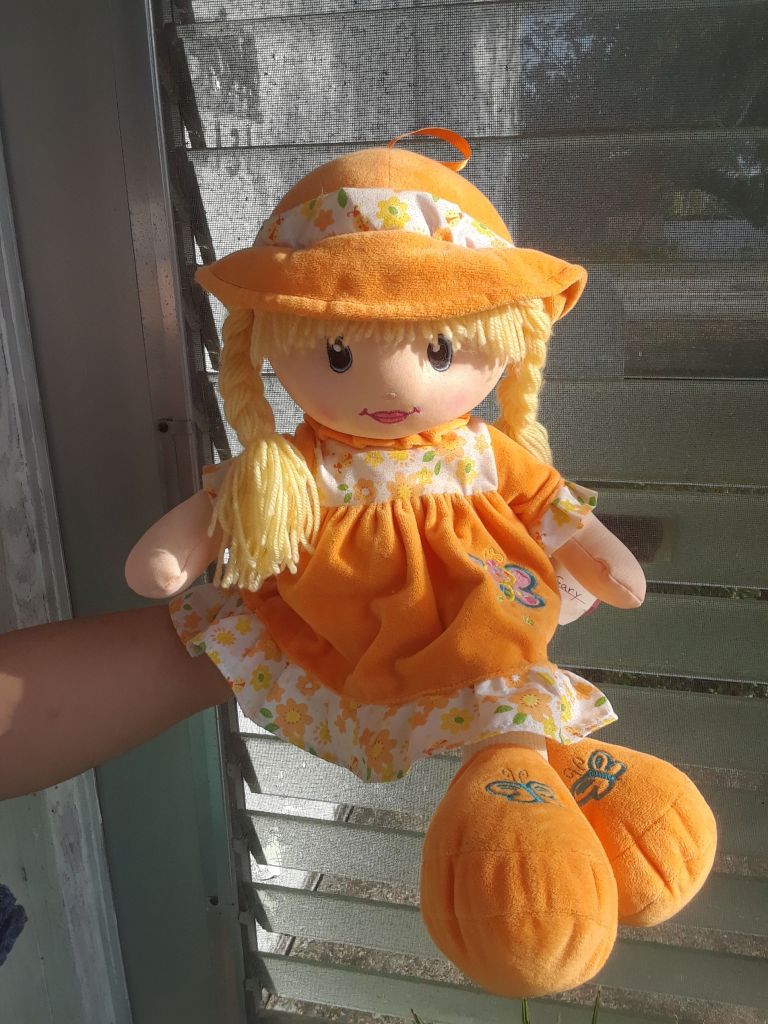
The doll and the marionette are a study in anonymous authorship in culture. These are cutesy sparks of creativity that delight children, but they don’t command a large sum at the selling booth. Yet, if a parent gets one of these for their child and watches the child play for years with it, it would be priceless.
There are people who are professional art appraisers. They look at a piece and set its price. They keep in mind many variables, but after the artist painted the portrait of his wife with her breast exposed, would the price change depending on the wife’s attitude about marketing and sales? On the artist’s relationship with the wife?
What does this matter? It matters because it leads to appreciation of beauty in everyday objects when the matter of monetary value is discussed. Many people make art with their partner and then if something happens, there is unpleasantness. Also, the Jōmon potters could not have foreseen how financial considerations have mushroomed around their art. The small crocheted doll that you make for your granddaughter does not have a signature or a tag, but your granddaughter thinks of you when she holds it. That value cannot be appraised.
My mother brought a portrait from Cuba. It is a picture of her in her youth. It is worth so much to me that no one would give me anything that would persuade me to sell. Its artist is unknown to me. I made videos of us together in her last years and also they are worth more than a Musk fortune to only me. If I should die, they would go to my cousins along with the portrait. It is the heart.
I think about my husband now and his paintings. He has a sketch of a woman in his back room. Her face is chiseled with angular lines and has compassionate yet piercing eyes. It is his appreciation for the woman’s beauty that produced that sketch, that assigns the value. The decisiveness of the line, the expert use of crosshatching and the use of color assigns its price.
 Rule Creations