CINTAS All Stars Opening Night April 27

Coral Gables to Host Lifetime Achievement Award Winners

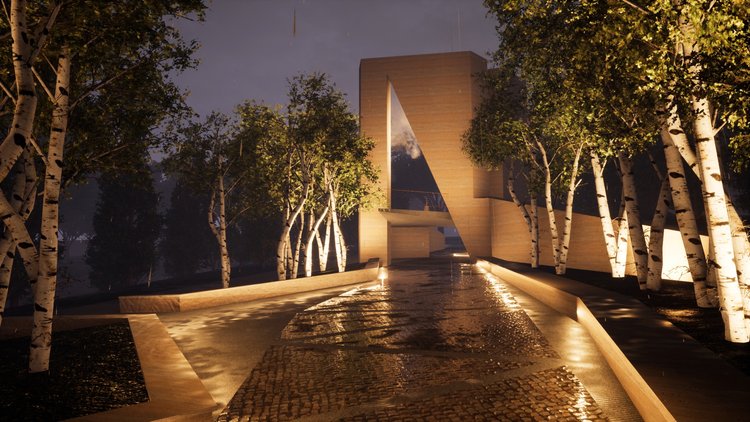
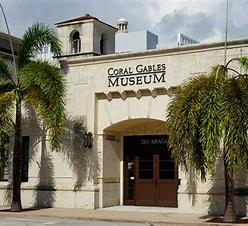
On Thursday April 27th the Coral Gables Museum will present the opening of a special exhibition featuring the work of notable Cuban American architects whose style and unique approach to building design has impacted the city of Coral Gables and other areas.

Titled “All Stars: CINTAS Foundation Fellows in Architecture & Design from 1963 to 2022,” the exhibition is a first time ever collection of work by fellowship recipients Jose Bernardo, Roberto de Alba, Raul de Armas, Andres Duany, Carlos Alberto Fleitas, Javier Galindo, Anthony Garcia, Jose Gelabert- Navia, Miriam Gusevich, Jorge Hernandez, Rolando Llanes, Adrian Lopez Gonzalez, Mario Miqueli, Ricardo Porro, Manuel Quijano, Nicolas Quintana, Raul Rodriguez, Alfredo Sanchez and Mario J. Torroella.

On display in the Gallery 109 and Abraham Family Gallery areas will be models, drawings, reports, photographs and videos drawn from the collections of the fellows and the CINTAS Foundation. Christina Chiang is the Curator of Architecture and Urbanism at the Coral Gables Museum and curated this exhibition.

Award Winners Display Variety of Styles

The architects, Javier Galindo and Miriam Gusevich, are but two whose work display the great variety of styles which will be featured at the exhibition.

Javier Galindo

Javier Galindo was born in Havana, earned a Masters of Architecture from Cornell University and a Bachelors of Architecture from FIU in Miami. Currently based in New York and has practised with firms in Miami and San Francisco as well. He received the 2015 Rome Prize in Architecture, the KPF Traveling Fellowship, and several competition awards and recognitions.

Miriam Gusevich

Miriam Gusevich, also Cuban born, is an urban designer, scholar, and teacher, with a lifelong commitment to public interest design. She is the founding principal at GM2 Studio and CEO of Restoring our Places, an NGO. She received her Masters and Bachelor’s in Architecture from Cornell University and was a Loeb Fellow at Harvard University.

The opening night event will take place from 7 to 9 p.m. The exhibition will be on display until July 30 of this year.
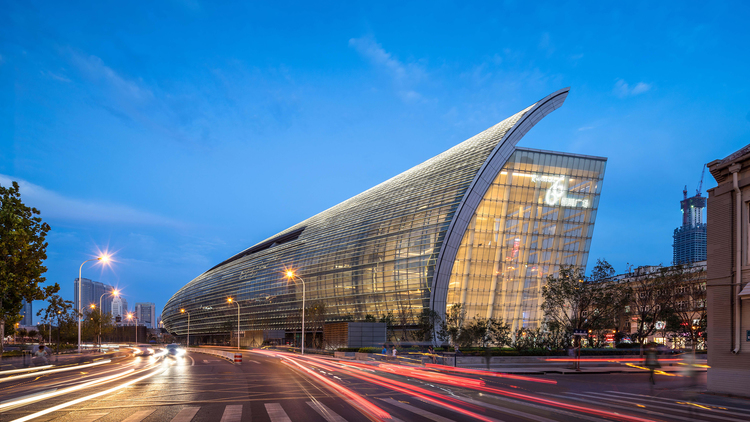

Images are representative of works by these architects and designers. Web designer does not hold copyright to these images.

CINTAS Foundation is now accepting applications for fellowships!

Final call. Application deadline is May 1 st, 2023. Applications in Spanish will be accepted.

https://cintasfoundation.org/fellowships/architecture-and-design-fellowship

Good Luck!

By Gary Alan Ruse, 2023. Gary@rulecreations.com
Coral Gables Museum January Gallery Night

Gallery Night is scheduled for Friday, January 6th at the Coral Gables Museum. The event will take place between 7:00 p.m. and 9:00 p.m. for the enjoyment of the public. The Florida Guitar Foundation will have an open mic, there will be live music from Purpleberry Jam and there will be four gallery exhibitions.

The Florida Guitar Foundation regularly invites guitarists who enjoy playing classical guitar to their open mic events. They are for guitarists of all skill levels to perform and learn from each other. Upcoming Open Mic nights will be January 6th, February 4th, March 4th, April 4th and May 6th at the Coral Gables Museum. To find out about this contact Federico Muskgrove Stetson at Frederico@Floridaguitar.org, the director of the program, or just the organizations box at info@ Floridaguitar.org.

Performing this month at the live music session will be Purpleberry Jam from Doral. They enjoy playing covers of Santana, Jimi Hendrix and Pink Floyd as well as performing their own music. Their music is a blend of funk, R&B, and rock with a modern twist. They combine mild distortion on guitar with driving beats and a danceable feel on drums that will excite and relax simultaneously. Ms. Betancourt shared her bluesy voice that caresses the soul out of its sleepiness. She played with them a few years back, and I don’t know if she will sing tomorrow night. It should be a pleasant surprise for everyone.

Purpleberry Jam

As a counterpoint to the musical events’ auditory vibes, the museum will offer visual stimulation in its current exhibitions. The art on display features a series of striking mixed media engravings and one sculpture by Haitian-American artist Edouard Duval-Carrié, tapping into the history, literature and mythos of the Caribbean. Also presented is an array of images in the collection of Raúl and Mily de Molina from their world travels, featuring 29 outstanding international artists.

The event is free to the public.

Uruk Vase Reveals Order of the Cradle of Civilization

Backstory

What is known as the Urban Revolution started in Mesopotamia about five thousand years ago. People started to move to cities because of the area’s abundant resources. Their basic needs met, the inhabitants of the place could allow their talents to flourish. Writing was invented by the Sumerians. In this place, known as the fertile crescent, the first stone tablets with writing that have been found record real estate transactions.

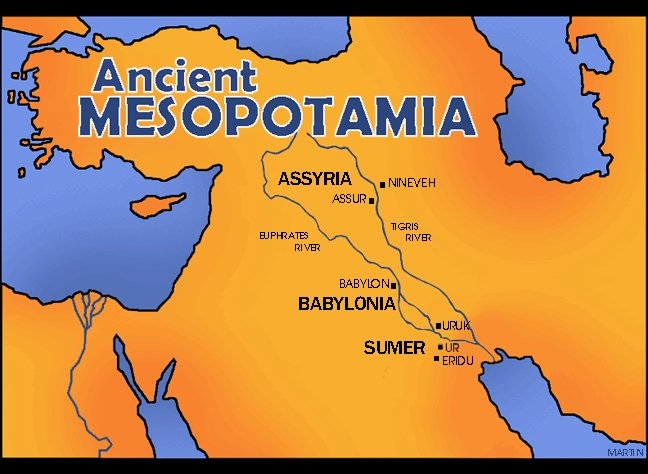
Map of Ancient Mesopotamia showing location of Assyria, Babylonia and Sumer.
The Cradle of Civilization

In the desert world of Mesopotamia, complex systems of trade existed between what is now Pakistan, Iran and Iraq. They had to be able to track ownership of goods, so writing was invented. This influences the Art of the period. Mesopotamia was located in the rich soil between the Tigris and Euphrates rivers in what is now Syria, Iraq and Jordan.

The Uruk Revolution

Art historians call that time the Uruk Revolution. They call it a revolution because it was the first time that people lived together in urban cities. The Uruk Vase was created about 5,000 years ago in the largest city of its time, a place known as Arak in the Bible but Uruk in other places. Gilgamesh of legend built the city walls.

Symbols on the Vase

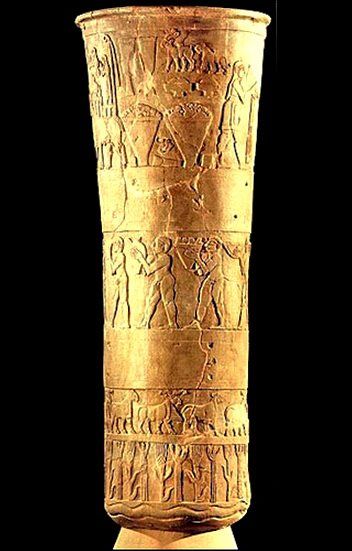
At a little over a meter high, the vase is sculpted out of alabaster, a precious stone of the time. Because alabaster was so hard to find, it is commonly thought that the vase served a ceremonial purpose. The story that it tells in its carved exterior reveals the spiritual beliefs of the people who made it and much about the social structure of its makers.

The vase displays a hierarchical view of the world. The carvings that are arranged in levels around the circumference of the vase display that hierarchy. First, the lower of its multiple sections has water which is the basis of life, then plants, and male and female sheep. Scholars believe that these were placed on the vase to symbolize what the greatest concerns were for the people of that community: their harvests and their livestock.

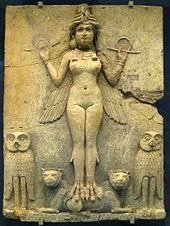
The water is the source of all life and for an agrarian community like that of Uruk, its importance had to have been deeply felt. So, on the vase, the base on which all else stands is a depiction of water. Above that are all the plants that the people’s livestock ate. Then, there is a row of sheep. The next level has a series of people and the top level has a carving of the Goddess Innana. She was the fertility Goddess of Sumeria.

Bas relief stone sculpture of Ancient Sumerian Goddess of Fertility, Innana. Goddess is depicted naked holding metal objects in her hands and a headdress on her head.
Goddess Innana

Another important facet about the symbolism located on the vase is found on the top level. Located in the top section of the vase, there is a King and the Goddess Innana celebrating a marriage ceremony. The Kings exerted control over the people of Uruk by tying their rule to the Goddess. They claimed that because they were married to the Goddess, they were of divine nature and deserved their status in society. Also, by tying the land to the King’s health, he could say that if he was not well cared for, the land would suffer thereby keeping himself well maintained through fear.

Finally, the Uruk Vase shows an orderly arrangement of the world. It represents an age in which there was a definite line between truth and fiction. Later, doubts and skepticism about the nature of reality came into the human culture, but at that time, there was an order to life that the Uruk Vase depicted.

One of the sources for this post is this video by Diana McDonald. Video

Art of the Ancients: Sacrifice and Power

Primary Function

The art of Ancient Egypt, China and Central America was utilized by the people to legitimize and preserve power in the earthly and heavenly authority.

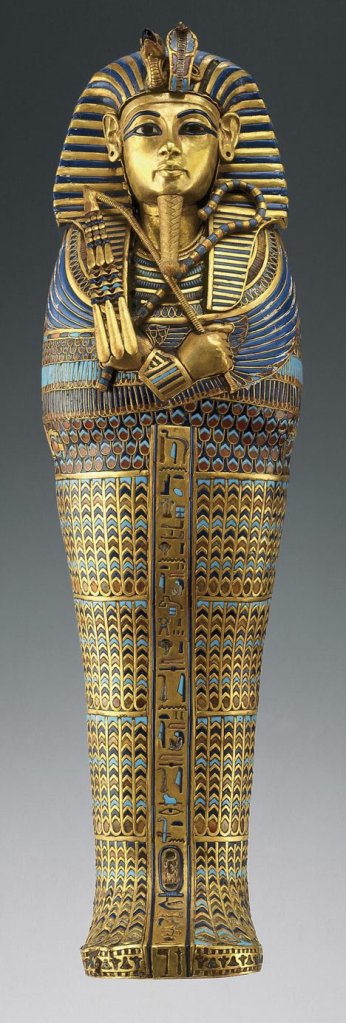
The Pharaohs of Ancient Egypt were held as divine and their bodies were mummified to preserve them. Their religious beliefs had complex ideas about how a person’s soul would travel after the earthly body had died.

This sarcophagus held the Pharaoh’s corporeal remains.

Considerable time, expense and skill was used to create the tombs of Pharaohs and their households. This was all to ensure that the Pharaoh was kept secure for his travel to the Afterlife. Hieroglyphs along the sarcophagus were not decorative, but served to communicate the status and name of the dead as well as hex anyone disturbing the remains.

Common people were simply enshrouded and buried in the desert. Ancient Egyptian Art thus served to communicate to others the power of the noble class.

Art that has been preserved in China also supports the powerful rulers of each dynasty.

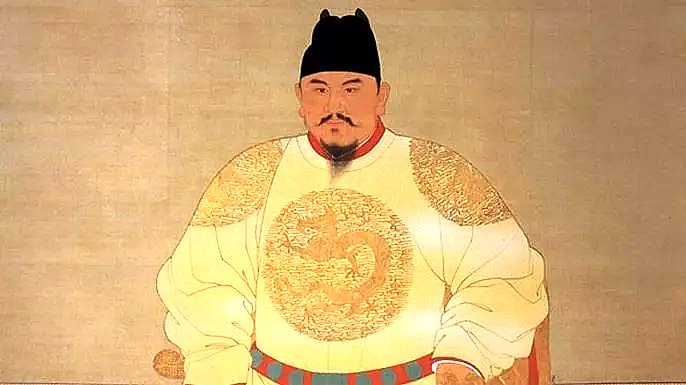
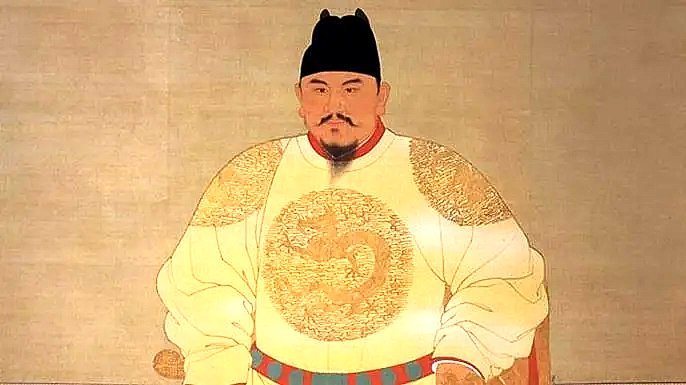
This painting of a powerful ruler shows Chinese Artistic focus on the powerful.

The people of Ancient China believed that their ancestors remained with them and influenced their lives. The life of each individual was largely dictated by his social class. Ironically, the founder of the Ming Dynasty had once been a farmer.

So the art reflected the society’s preoccupation with powerful people. The picture above is of Honawu who ruled as Emperor during the Ming Dynasty. The artists were forced to make works that portrayed the emperors favorably.

To be fair, the time brought great stability and peace to the country and there was also development in landscape painting, pottery and calligraphy.

In a sense it mirrored the development of art in Europe where the arts were sponsored by wealthy patrons, people in power or rich merchants.

Gary Alan Ruse

In Central America and South America, power was held by religious leaders and the art showed that.

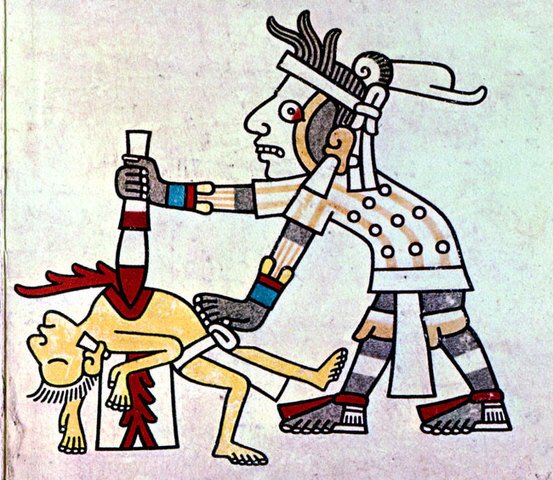
Aztec priests performed human sacrifice to honor the Gods.

It is difficult to grasp how advanced societies like those of the Aztecs could be so brutal. Their art is not all about sacrifice which shows the powerful reliance of the people on religion. They have many stone sculptures of humanoid beings with birdlike appendages and features.

Like the art of the people of Ancient China and that of Ancient Egypt, the art of the West remains to share with us what was important then.

Next week, we will continue learning about the Art of the Ancients. This time it will thread on art used to keep track of time and space.