Art of Ancient Civilizations

Renaissance Art was commissioned by wealthy patrons. Art was a way of preserving the image of people with status. Sometimes, the status came from political connection or religious power.

Ancient Art was functional. It had a purpose. Whether it was a Java Buddha, a Peruvian mummy bundle, an Egyptian tomb painting or a Buddhist temple, each culture utilized art for societal purposes.

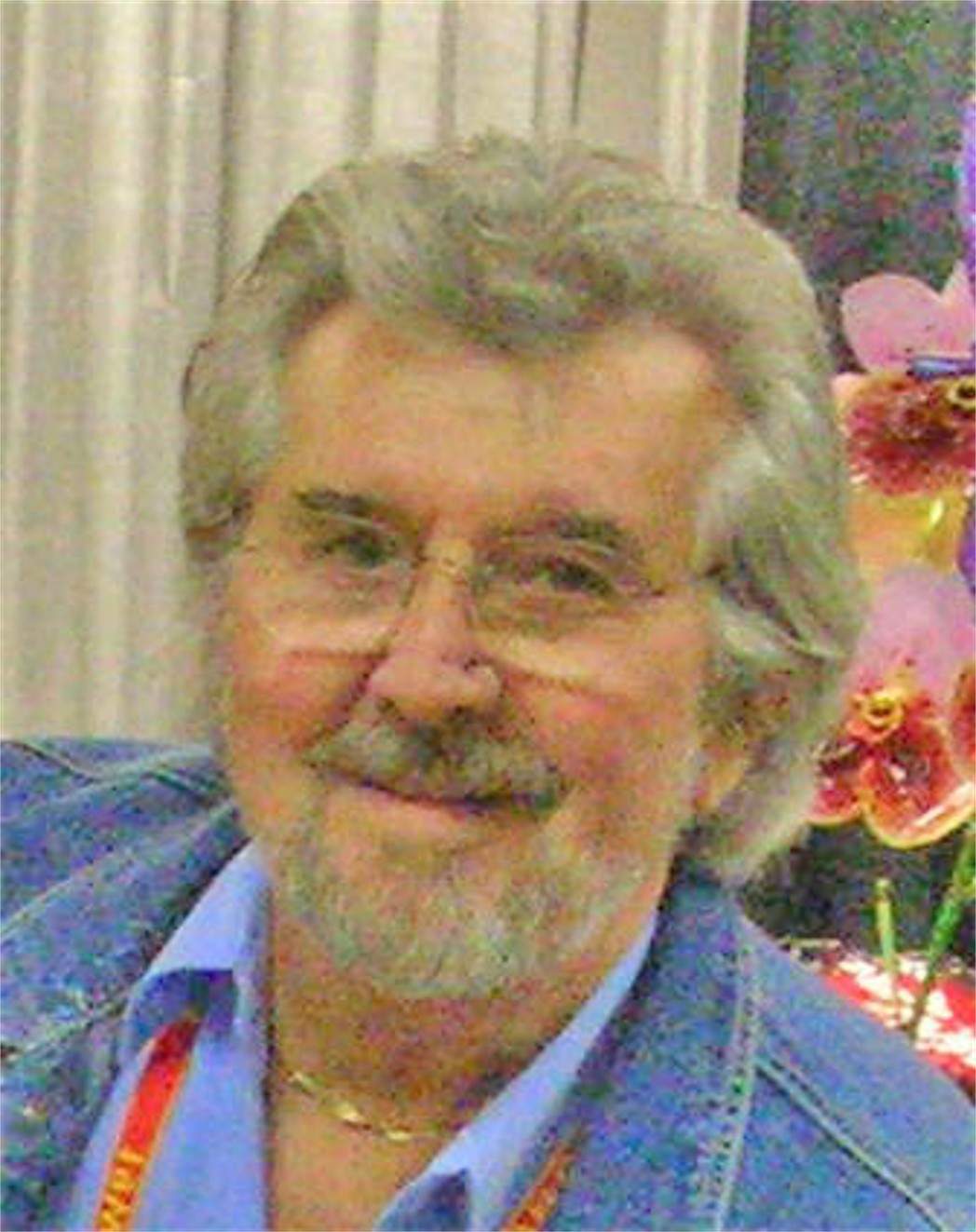
Gary had this to say about why he is interested in the Art of Ancient Civilizations:

The art from different cultures was similar in some ways, but each culture had its own style. Most of the art, except for sculptures, treated subjects like rulers and battles, gods and goddesses. They all use art to record history.

Gary Alan Ruse

Helen had this to say about her fascination with the Art of Ancient Civilizations.

Examining the art from ancient civilizations always makes me think of how they built it to last. The fact that these artworks have survived is incredible to see. The themes in the art of all the different cultures interconnect which is also incredible.

Helen Lemus

Who, when and where?

It’s helpful at this point to limit the areas and cultures that we will be examining in this post. Ancient civilizations like those of the Greeks, Aztecs, Egyptians, Incas, and Buddhists all our featured in this post.

These cultures lived long ago and their artwork survives from areas in Africa, Central and South America, Asia and parts of the Mediterranean. Although it is a long period of time, the art of ancient civilizations began with the cave paintings in France about 35,000 years ago up until 500 years ago when new movements took over the artistic pursuits of civilization..

Practical functions of ancient art

Ancient Art was utilized to communicate religious ideas. These artworks were of a large size and intentionally so. To communicate their devotion to deity, the structures had to be large, such as the ancient temples of Sumeria, Central and Southern America, Asia, and Egypt.
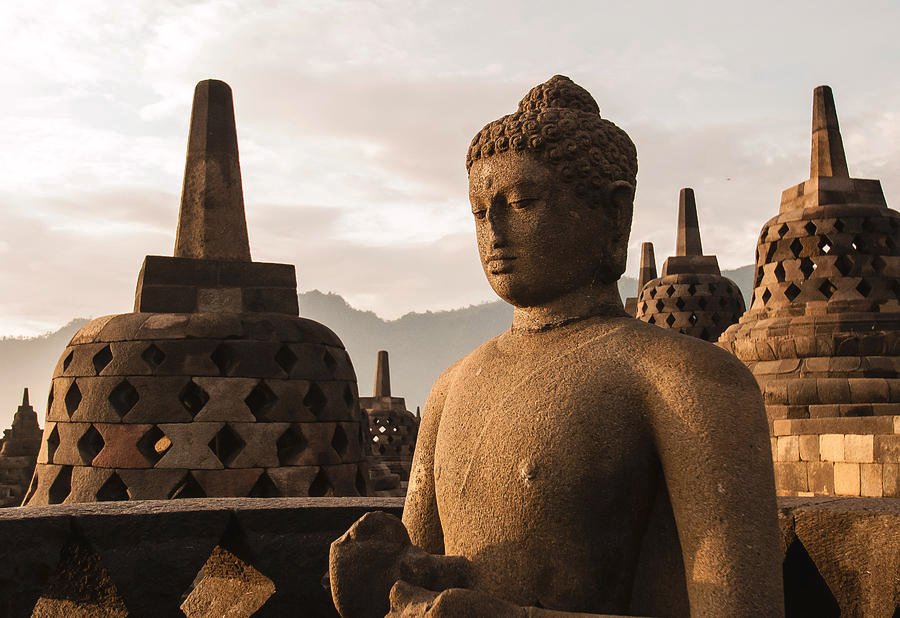
This is a statue of Buddha in Java or what is now part of Indonesia. It was made in the 9th Century.

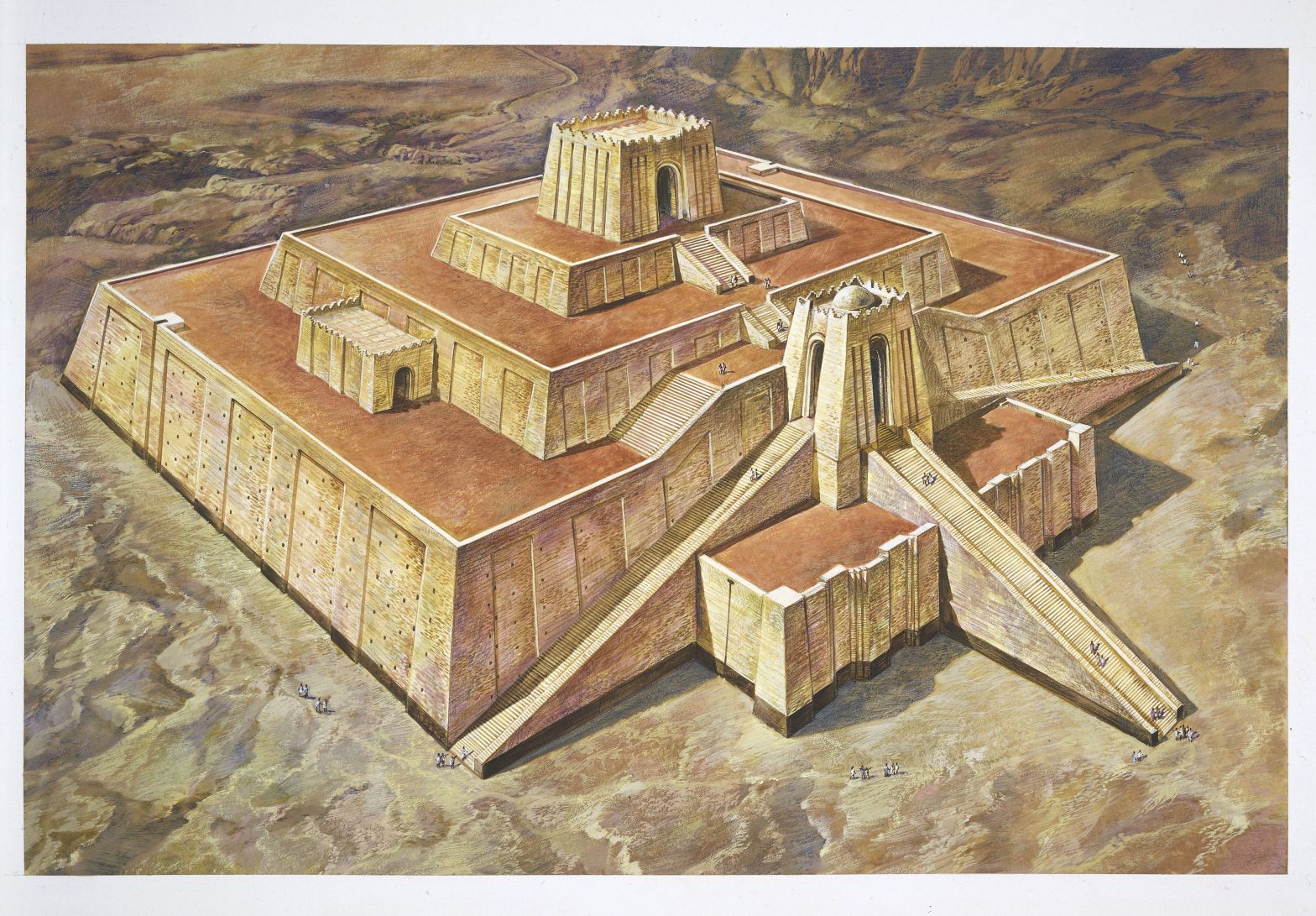
Religion played a large part in the lives of ancient people as they always wanted to placate and honor the Gods. So, temples were built to allow men to ascend to the skies where they could talk to them.
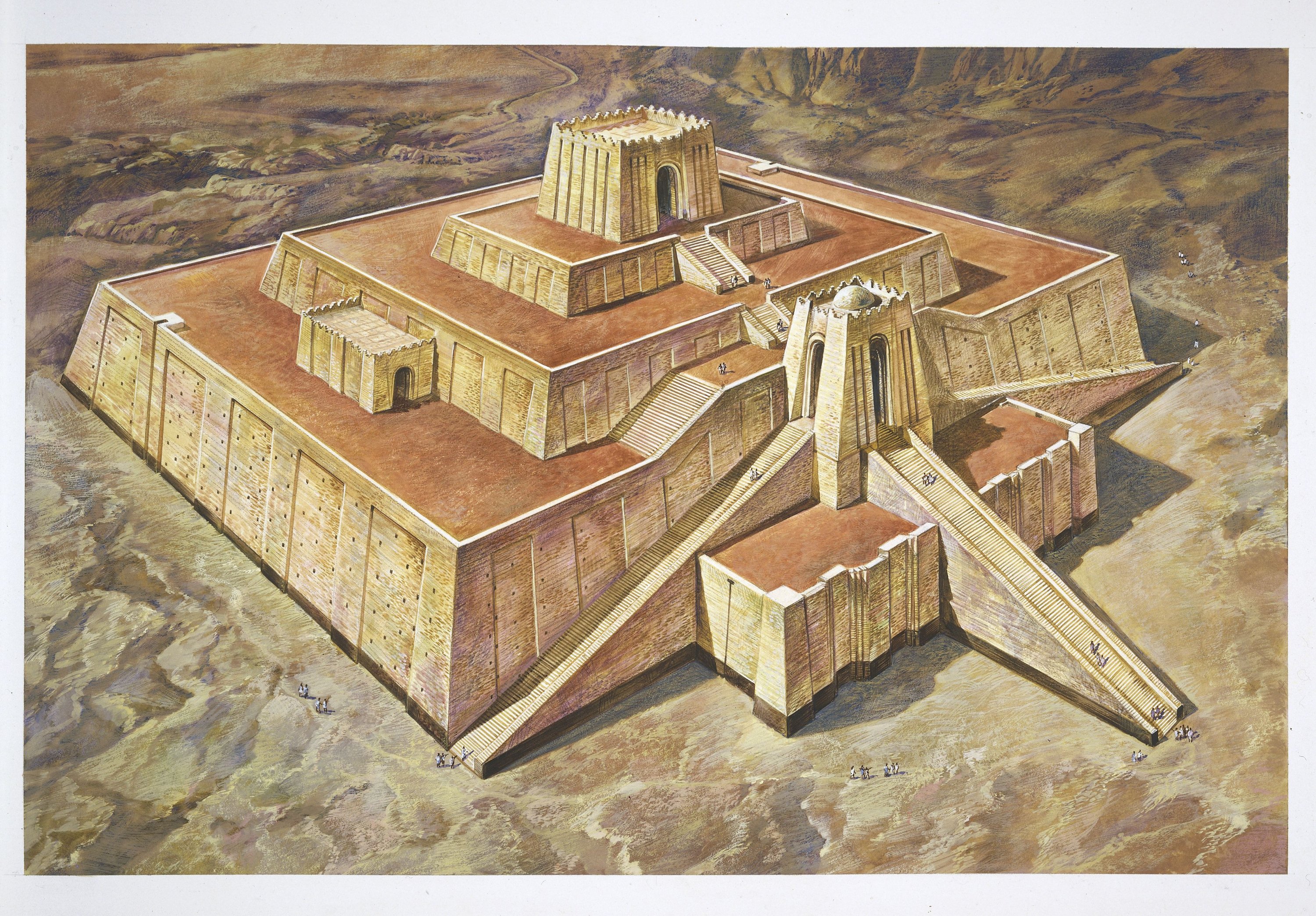
This is the Ziggurat at Ur. This is located in modern day Iraq. Iraq was Mesopotamia, the cradle of civilization, and the Ziggurat was erected to give the people a place to gather and to worship the moon deity, Nanna.

There are more works to explore in the vast collection that has survived the span of centuries. We will look at more next week.
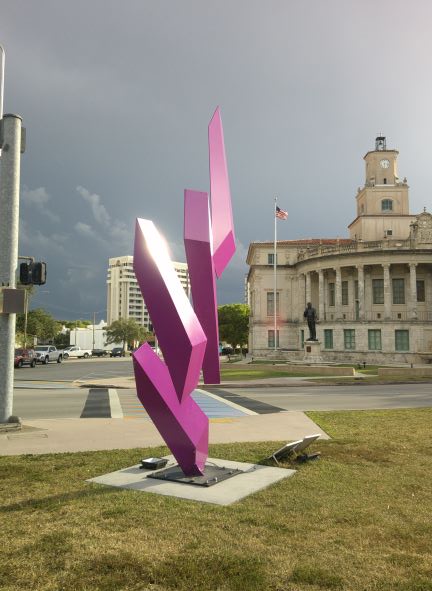
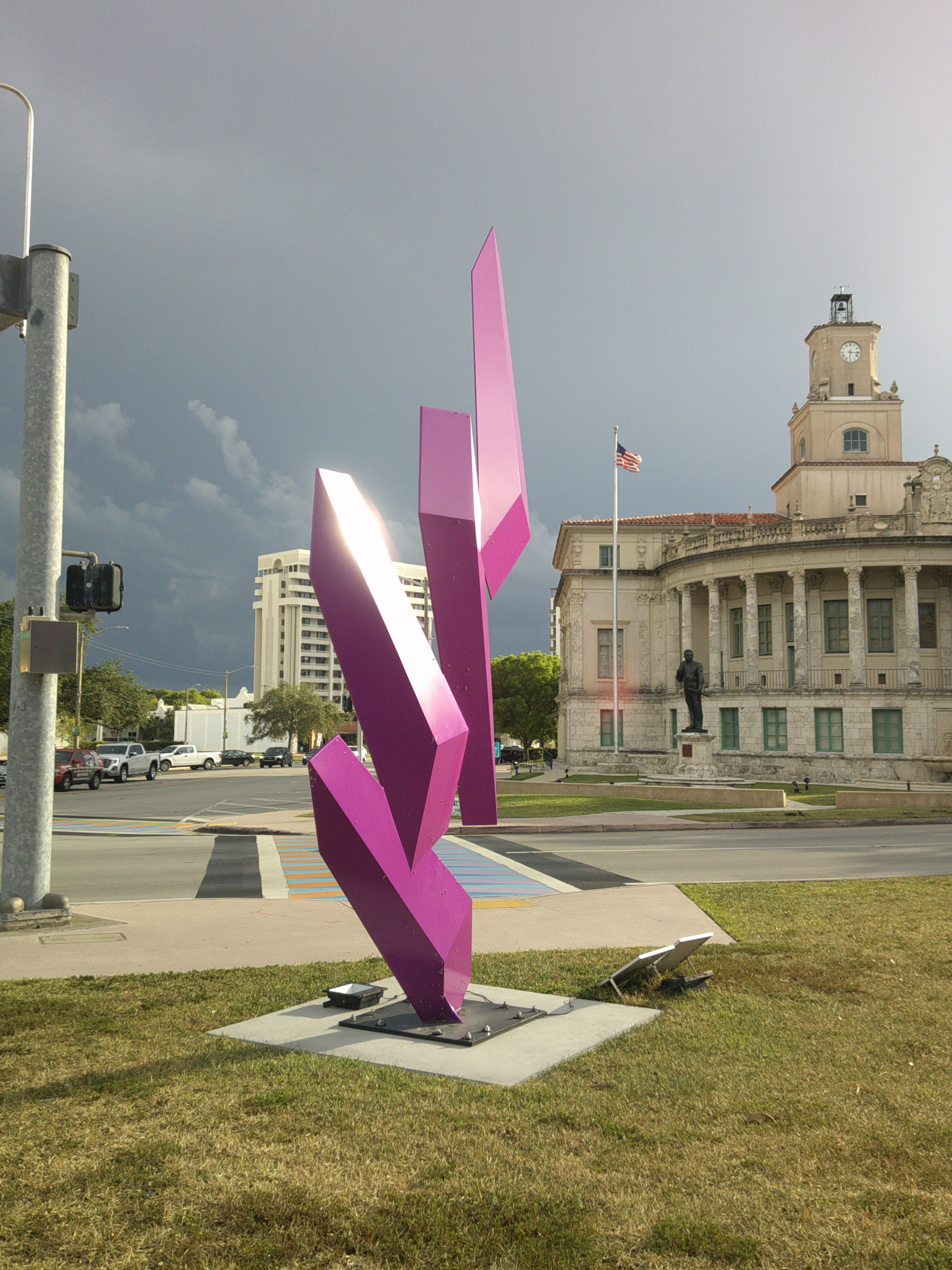
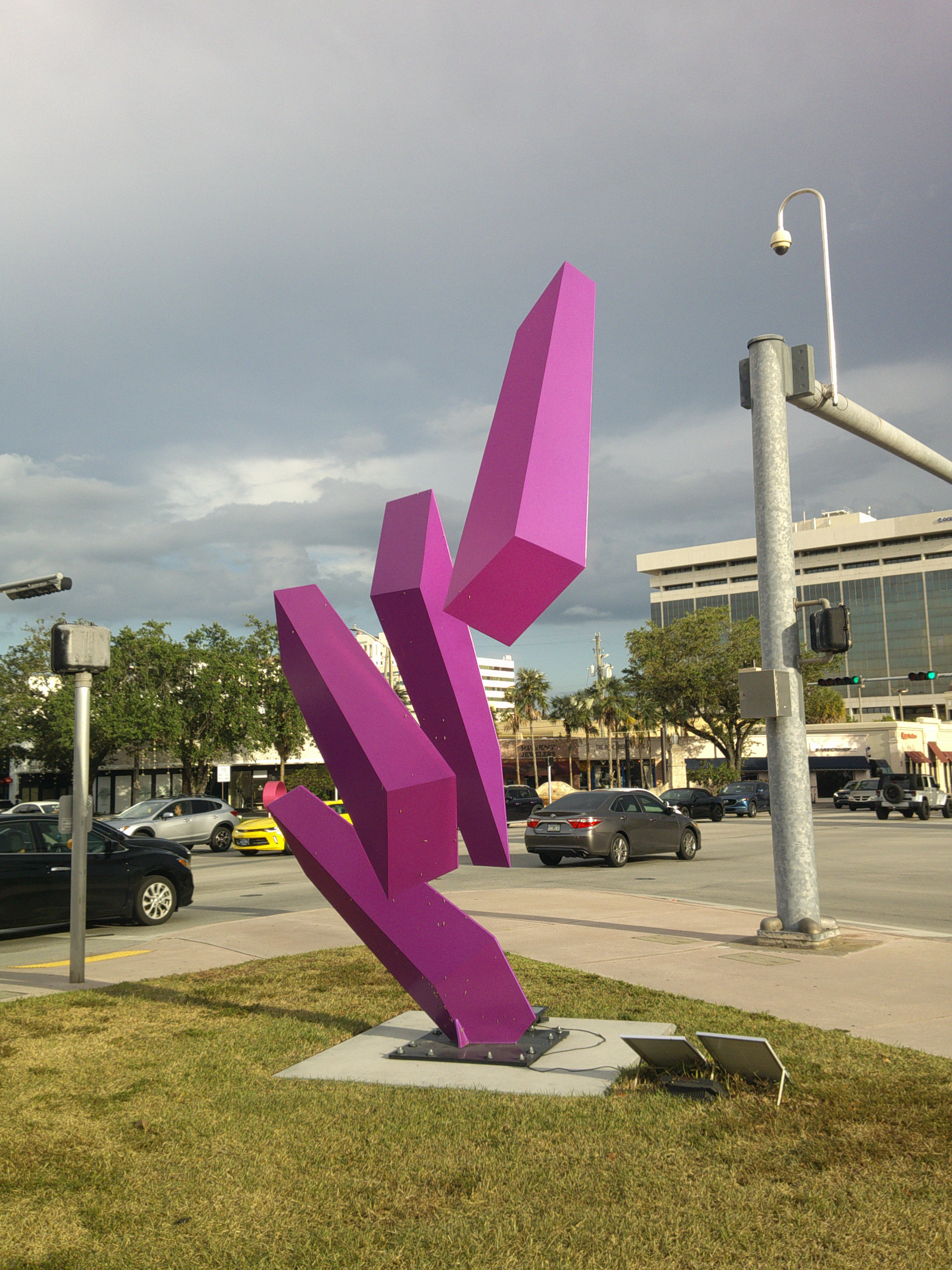
Coral Gables Amazing Sculpture: “Pause”

Copyright 2022 Helen Lemus

Rafael Barrios

Mr. Barrios studied art in Canada, Venezuela and the United States. This sculpture was placed in Coral Gables in 2019. Originally, this work was displayed at the Coral Gables Museum with over 20 other pieces when this work arrived in the Gables. The exhibition was called Ontological Curiosity. There words were said about it in Coral Gables’ website.

Pause is a large-scale luminescent steel sculpture appearing as a stacked series of three-dimensional rectangles that mysteriously defy gravity and disappear as one passes by. Barrios plays with shapes and altering the laws of geometry, as seen in similar sculptures in the exhibition Ontological Curiosity. Artworks in the exhibition include small and large-scale sculptures, hanging kinetic works, mobiles, carpets, and works that play with light and shadow.

City’s Arts and Culture Specialist, Catherine Cathers.

Pause received recognition from Art Basel prior to being placed in its current location in front of Gables City Hall.

It made me think of rectangular blocks falling and just stopping in mid-air suddenly. As you walk around the sculpture, the blocks seem to recede and then pop back out as you make progress around the sculpture. At different times of the day, the sculpture shifts, too, relative to the position of the sun in the sky.

Looking at this work always inspires me to think about sculpture in a different way because it really does seem to move and shift, but simultaneously gives the illusion of stasis. Most interesting. Pause is located on the corner of LeJeune Road and Miracle Mile.

Description of Photograph of “Pause”

In these two shots, I decided to refrain from using anything but natural light. I tried to shoot in the afternoon with no special settings on my camera.

The shot on the left has a sunburst because the sunlight just bounced off of the side of the sculpture. I thought that it looked kind of neat.

Artist Bio

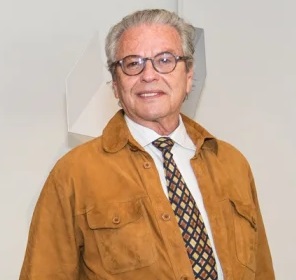
Picture of a white man with glasses wearing a brown jacket and print tie.  This is the artist, Rafael Barrios.
The Sculptor, Rafael Barrios

Rafael Barrios was born in Baton Rouge, Louisiana of Venezuelan ancestry. He studied in Caracas, Venezuela. As a very young person, he received a “youth prize” for art. Then, he traveled to Ontario, Canada because he received a scholarship. Finally, he was awarded a scholarship to study art at New York University’s Graduate Program for Fine Arts.

Fred Caravetta: Artist, Teacher and Friend

Back in 1967 to 68, I was privileged to have Fred Caravetta as a professor of Commercial Art at the University of Miami. It’s called Graphic Design now, but back then computers were only used for crunching numbers and storing basic data, and not for computer aided design or graphic illustration. It was a night class in the old wooden Arts building at the UM, since Fred was a working commercial artist during the day, crafting advertising layouts, brochures, and other projects. He was well-known in Miami as an advertising executive.

Fred studied at the Franklin School of Professional Art, graduating in 1948. He began his career working at ad agencies in New York City, and Miami, where he became creative director of the Caravetta Allen Kimbrough agency. He was there from 1954 to 1970, then went off on his own to become a graphic designer and sculptor at Caravetta Design.

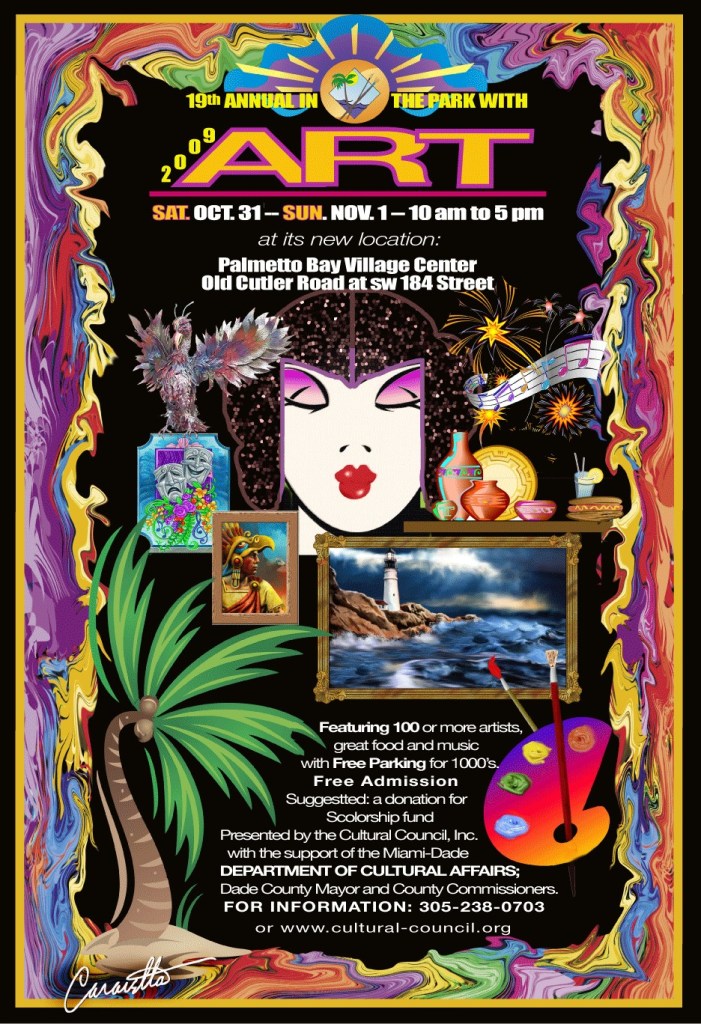
His talent went beyond mere advertising work, as we all later discovered. For the Village of Palmetto Bay’s annual event, Sunday in the Park with Art, Fred was commissioned to create the posters used to promote the events, and they were works of art themselves, alive with vibrant colors and intricate designs. They became a part of the event and not just advertising.


As if that weren’t enough, Fred also began creating sculptures. At the time, he had this to say about it on social media.

For the past few years I’ve been quite a loner and more so now that I have moved to Homestead. I have a small apartment in a barn that I share with my dog, Angel. My neighbors are four horses. I’m creating a new style of sculptures that has totally taken me over. I could go on and on about how I feel about my new stuff, but I’ll quit right here.

Fred Caravetta

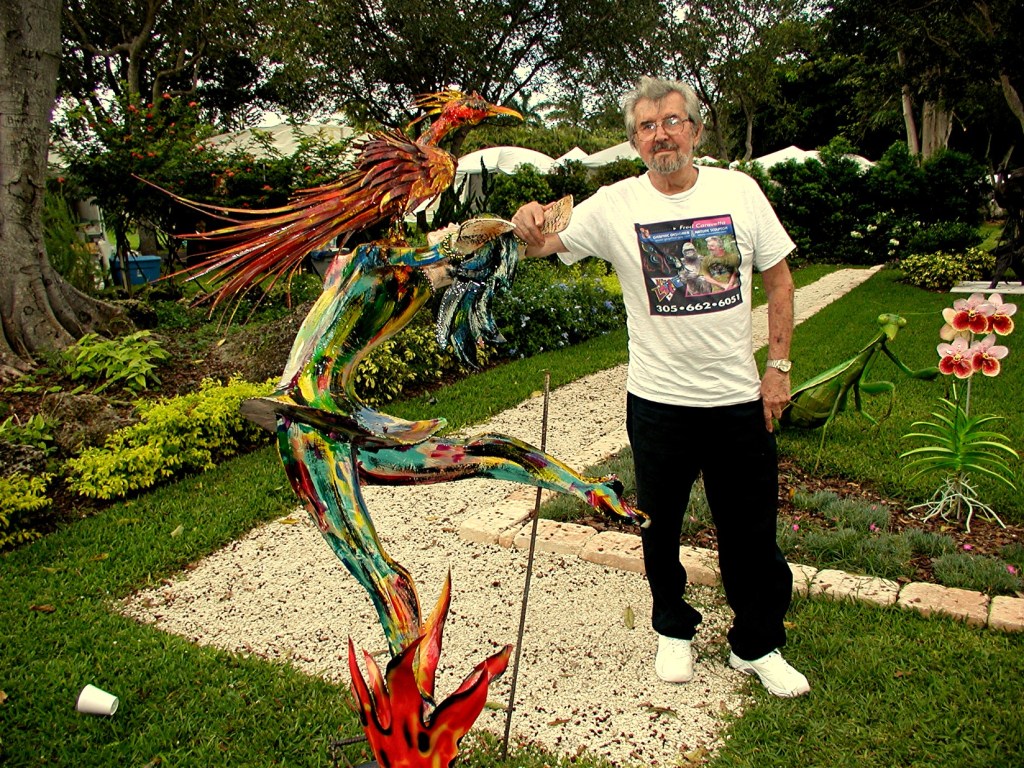
His passion for his new expression of artistry showed in his work. Using a laser-like cutter, a helitorch and a hammer to shape pieces of steel, then applying paint to the surfaces, he created animals, birds of prey and giant insects that were amazingly real in appearance. One was a praying mantis, another a Monarch butterfly that was on display in the lobby of the Coral Gables Public Library for years, both were many times life size and startlingly realistic..

Caravetta with Sculpture, Gary Alan Ruse © 2008

Sadly, Fred passed away on September 12th, 2015 at age 89. His impact on the community was significant, and his impact on my own life and career went beyond what I learned in the classroom. While I was still a student, Fred was contacted by Dr. Herbert S. Zim, the author or co-author of more than 100 books and many articles, and the editor of Simon & Schuster’s Golden Nature Guides. Dr. Zim was looking for an artist to illustrate books in a new children’s series he and James Skelly were working on to explain how things work. Fred came to me with the contact information, and I sent samples of my work to Dr. Zim. He and the editor at Morrow Junior Books liked my work and I was able to do the first two fully illustrated books in the series (Machine Tools and Hoists, Cranes and Derricks (1969)) before I went into military service. Getting published in that way inspired me to do more.

Fred Caravetta is missed by family, friends and fans, but his legacy continues in the minds and hearts of those whom he inspired with his soft-spoken humor and his artistic versatility.